
What is arguably one of the best things about movies and television in this current age is the variety. The advent of the internet and streaming services has allowed for movies and TV to create a plethora of content for every kind of niche audience. The acquisition of 21st century Fox by Disney may disrupt this though, as I feel the absorption of this company by Disney will result in less media variety because of Disney’s ultimate goal of profit before anything else.
The 5.2 lecture discusses the Telecommunications Act of 1996. This act had a major effect on media laws within the United States, notably permitting media companies to expand and grow larger.
The lecture explained that, “The FCC isn’t interested so much in preventing monopolies, but helping US companies compete internationally.”
Understanding this act is critical to understanding the current media climate now, and the legitimacy Disney has in becoming a media empire. The effect of this merger on consumers was the subject of an article written in Forbes magazine in 2017.
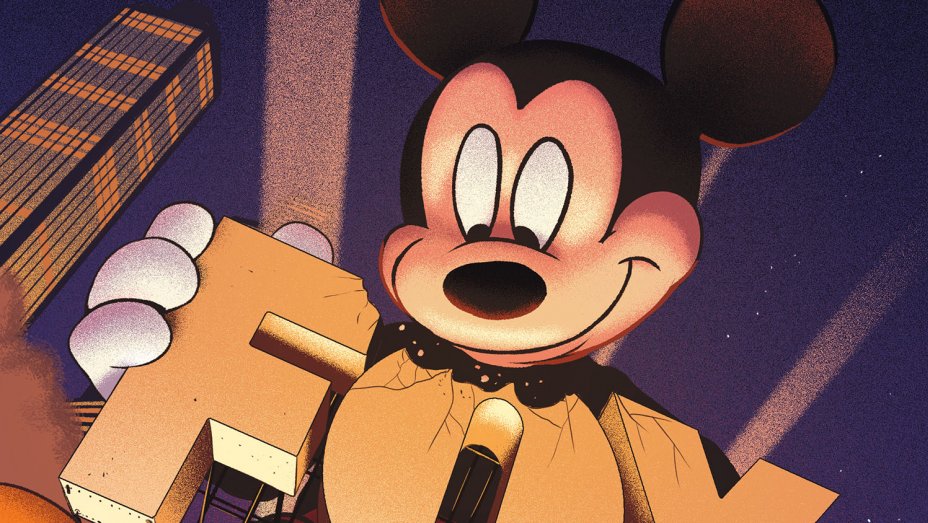
Author Dana Feldman explained how Disney planned to produce content with their new media properties and their plans for the streaming wars. She described how despite a public assurance by Disney CEO Bob Iger that Disney would still produce “R” rated films like Deadpool, tweets relating to this topic were around 53% negative.
I feel this is the biggest concern as consumer about the acquisition. Certain media properties are inherently against the family-friendly image of Disney and while the company may say they will still produce that media property, they may push the project back in favor of more profitable projects. There is also the concern that the “Deadpool” produced by Disney will not be the “Deadpool” fans received while the property was controlled by Fox.
This kind of thinking was echoed in an article by Vox written by Emily Todd VanDerWerff in December of 2017. VanDerWerff wrote a brief piece outlining five reasons why the consumer should be concerned about the acquisition.
Her fourth point read, “20th Century Fox and Fox Searchlight at least tried making films for adults. They now belong to a company only interested in making blockbusters.”
She argued in this point that Disney’s primary audience target is the blockbuster audience. This audience of “families and young men in their early 20s and late teens” have been drawn to the big Disney properties like Marvel and Star Wars and may influence Disney to not produce more adult and mature films. She explained how Disney spent a considerable sum in the Oscar campaign for Beauty and the Beast because that was their best bet, while Fox’s films had a total of 27 nominations that year.
As a fan of cinema and more mature films, I agree with her critique and worry that Disney will tend to put most of their resources to the blockbuster movies and spend less time on projects that skew from the mass audience target. I am especially worried that Disney will rush to use many of their newly added properties for reboots because of their inherent profitability. I am most concerned about the Alien franchise. I have been a longtime fan and do not want to see the property either forgotten about or tarnished via a reboot.

